

Anasayfa
public
Is luck or skill more important in gambling?
Is luck or skill more important in gambling?
The Role of Luck in Gambling
When it comes to gambling, luck is often the first factor that many people consider. It refers to the unpredictable nature of the outcomes that can significantly affect a player’s success. For instance, in games like slots and roulette, results are entirely based on chance, as players cannot influence the outcome no matter how experienced they are. This randomness can lead to significant wins or devastating losses, which is why many gamblers attribute their success or failure to luck, especially when playing at a casino fast withdrawal uk where quick payouts can heighten the thrill.
Luck plays a critical role in gambling, and many players will often experience streaks of good or bad fortune. This phenomenon, known as variance, can make the game exhilarating yet unpredictable. Players can hit a jackpot on a whim, while at other times, they might find themselves on a prolonged losing streak. This dependency on luck adds an element of thrill to gambling, drawing individuals in, and keeping them engaged, regardless of their skill level.
However, while luck is a substantial factor, it is essential to recognize that it is not the only element at play. The notion of luck can sometimes cloud the understanding of more strategic aspects of gambling. While one can win big due to pure chance, those who consistently win over time often develop methods that help them maximize their opportunities and minimize losses, indicating that while luck is a critical factor, it may not be the sole determinant of success.
The Importance of Skill in Games of Strategy
Skill becomes paramount in certain types of gambling, particularly in card games like poker or blackjack. These games require an understanding of game mechanics, probability, and psychology. A skilled poker player can read their opponents, manage their bankroll, and make calculated decisions, which greatly increases their chances of success compared to an untrained individual who relies on luck alone. In poker, for instance, the ability to bluff convincingly or to fold at the right moment can turn the tide of a game in a player’s favor.
Moreover, in games like blackjack, basic strategy charts are available that can significantly improve a player’s odds by outlining the best moves in various scenarios. A person who takes the time to learn and master these strategies will effectively reduce the house edge and can often yield a more favorable outcome than those who do not engage with the game on a deeper level. This skill-based approach to gambling shows that while luck may bring unexpected wins, skill is what sustains long-term success.
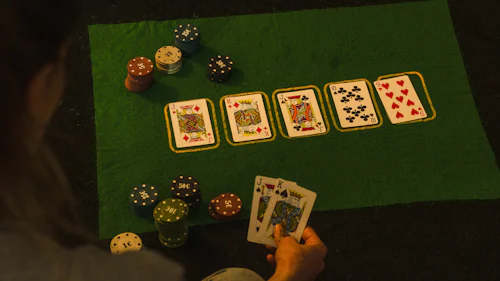
The balance between skill and luck varies greatly among different games. In tournaments and high-stakes games, where players are competing against each other rather than the house, the relevance of skill expands. Experienced players tend to dominate these environments, showcasing that while luck can create random outcomes, skill dictates consistent performance and strategy, cementing its importance in the gambling spectrum.
The Psychological Aspect of Gambling
Gambling is not just a numerical endeavor; it is deeply influenced by psychological factors that intertwine with both luck and skill. Players often operate under cognitive biases that can skew their perception of luck. For example, the “gambler’s fallacy” is a common belief that past results affect future outcomes, which can lead a player to make poor decisions based on expected luck rather than rational analysis. This psychological aspect highlights how important it is for gamblers to be aware of their mental state when engaging in any form of gambling.
Furthermore, a player’s mindset can greatly influence their ability to leverage skill effectively. A confident player might make bolder moves, tapping into their strategic abilities and potential luck more effectively. Conversely, a player who is feeling unlucky may retreat into safer plays that do not exploit their skills fully. This interplay between luck, skill, and psychology indicates that a successful gambling experience often depends on the mental approach as much as the inherent luck of the draw.
Additionally, the thrill of gambling can create emotional highs and lows that affect decision-making. Losing streaks can result in tilting, a psychological state where a player makes irrational bets out of frustration. Understanding and managing these psychological elements can often lead to better outcomes, emphasizing the need for skillful play and the ability to maintain emotional control amidst fluctuating luck.
The Balance of Luck and Skill in Different Games
Different gambling games have intrinsically different ratios of luck and skill, influencing how players approach them. For instance, slot machines are predominantly luck-based games where skill plays almost no role. Players can select machines with better odds or payout percentages, but the results are purely random. In contrast, games such as poker, where decision-making and strategy can drastically alter results, require a higher level of skill to outsmart opponents.

Games like sports betting exemplify a hybrid of luck and skill. While bettors can analyze statistics, team performance, and injury reports to make informed decisions, unexpected factors like weather changes or player injuries can introduce elements of luck. This balance makes sports betting appealing as players can actively engage their skills while remaining aware of the luck factor that can influence any given outcome.
Ultimately, understanding the unique blend of luck and skill in various gambling scenarios can lead to a more strategic approach. Players should acknowledge the role of luck while refining their skills in games where it can be applied. By doing so, they can enhance their overall experience and potentially improve their chances of success in the long run.
Conclusion: Evaluating Your Gambling Approach
In summary, both luck and skill are essential elements of gambling, yet their significance varies by game type. Luck can lead to immediate rewards, making gambling an exciting venture, while skill provides a roadmap for long-term success. Players who want to improve their gambling experience should seek a balance between understanding the role of luck and developing their skills to navigate various games effectively.
The beauty of gambling lies in its unpredictability, but those who approach it with a strategic mindset and awareness of psychological factors can create a more fulfilling experience. Mastering skill-oriented games while remaining cognizant of the unpredictable nature of luck can offer a unique blend of excitement and efficacy in gambling endeavors.
For more insightful articles and resources on gambling strategies, luck, and skill, you can explore our website, where we provide a wealth of information tailored for both novice and seasoned gamblers. Engage with our content to learn new tactics, enhance your understanding, and refine your approach to gambling responsibly.
YORUM BIRAKIN
SON YAZILAR
SOSYAL MEDYADA BİZ